This article is for informational purposes only and does not constitute professional advice.
Always seek the guidance of a qualified expert for specific concerns.
What is a Section 106 (S106) Agreement?
A Section 106 agreement (S106) is a legal agreement between a local planning authority (LPA) and a developer or landowner, made under Section 106 of the Town and Country Planning Act 1990.
It is designed to mitigate the impact of new developments on the local community and infrastructure, ensuring that a development makes a fair contribution to the area it affects.
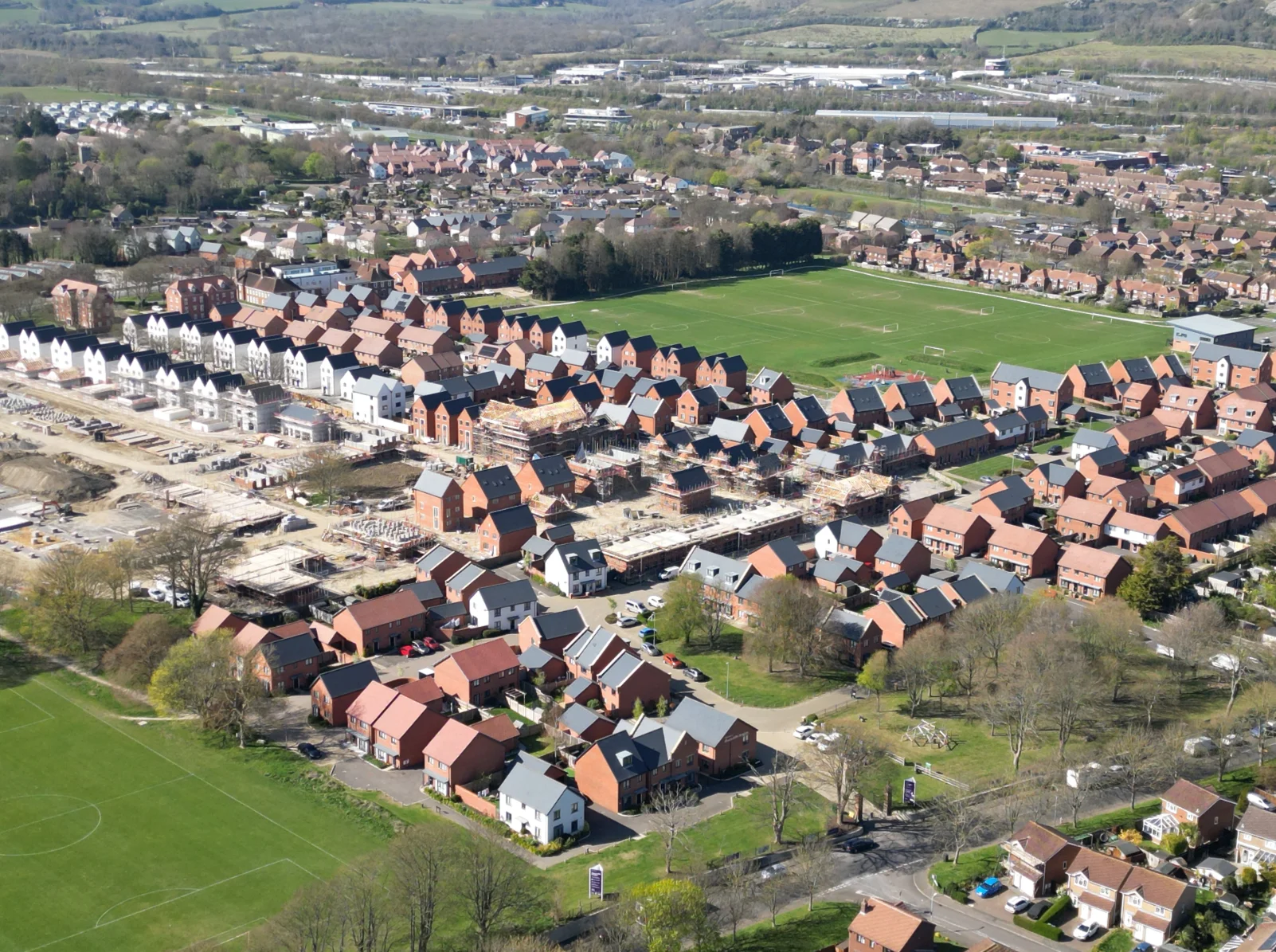
[Download Shorncliffe Heights Section 106 Agreement]
[Download Shorncliffe Heights Section 106 Deeds Of Variation]
Purpose
An S106 agreement allows the council to secure:
- Financial contributions – payments made by the developer
- Specific works or obligations – actions or facilities the developer must provide
- Restrictions on the use of land
These obligations make a development acceptable in planning terms when it otherwise might not be.
Common Examples
Typical S106 obligations include:
- Affordable housing provision (e.g. a percentage of homes must be affordable)
- Highway improvements (e.g. new access roads or crossings)
- Education contributions (e.g. funding for local school places)
- Healthcare facilities (e.g. payments towards GP surgeries)
- Public open spaces (e.g. parks, play areas, or landscaping)
- Community or leisure facilities (e.g. village halls or sports centres)
When It’s Used
An S106 agreement is usually applied to larger or more complex developments where:
- Planning conditions alone are not sufficient.
- The development has a measurable impact on local infrastructure or community services.
Legal and Practical Aspects
- It is a legally binding contract, recorded as a land charge, meaning it runs with the land.
- Obligations usually need to be met before certain stages of development (e.g. before occupation or before commencement).
- Payments are often triggered by development milestones (e.g. completion of a certain number of homes).
Difference from CIL (Community Infrastructure Levy)
While both Section 106 and CIL deal with developer contributions, there are key differences:
- S106: Site-specific and negotiated.
- CIL: A fixed charge per square metre of new development, used for general infrastructure.
In many areas, both can apply, but S106 agreements are more flexible and tailored to the individual development.